




Artificial Intelligence in Cardiology: From Foundation to the Future Kindle Edition

 4.1 (106 items)
 Limited Time Sale
Free cash-on-delivery fees for purchases over $99
Product details
| Management number | 222232492 | Release Date | 2026/05/04 | List Price | US$90.00 | Model Number | 222232492 | ||
|---|---|---|---|---|---|---|---|---|---|
| Category | |||||||||
How AI is Driving Present and Future Cardiology is a practical, clinician-friendly roadmap that shows how Artificial Intelligence can be used safely and effectively across cardiovascular care. The chapters move from “understanding AI” to “applying AI in ECG, imaging, and the cath lab,” and finally to “using AI responsibly” with ethics, regulation, and medicolegal clarity.Chapter 1 builds the essential foundation: what AI, machine learning, and deep learning mean in medicine, how models learn from data, how validation works, and why bias and data quality can mislead outcomes. This chapter helps clinicians evaluate AI tools critically, ask the right questions before adoption, and interpret predictions with context rather than blind trust.Chapter 2 focuses on AI-powered electrocardiography. Algorithms can identify subtle patterns that may be missed during high-volume reporting—supporting rapid triage, earlier recognition of ischemia-risk signatures, concealed atrial arrhythmia risk, structural disease clues, and predictive signals for heart failure or sudden arrhythmic events.Chapter 3 covers AI in cardiovascular imaging (echo, CT, MRI). It shows how AI improves acquisition, automates key measurements (volumes, EF, chamber size), enhances strain analysis, reduces inter-observer variability, and supports detection of cardiomyopathies, valvular disease, and complex structural abnormalities. Imaging specialists benefit through standardization and speed; clinicians benefit through reliable trend tracking for follow-up and therapy response.Chapter 4 brings AI into the catheterization laboratory—decision support for lesion assessment, physiology and intravascular imaging interpretation, procedural planning, complication risk prediction, and workflow efficiency. Interventional cardiologists gain sharper strategy and safer complex PCI planning, while referring doctors gain clearer pathways for patient selection, timing, and post-PCI surveillance.Chapter 5 introduces robotic-assisted interventions and AI-driven automation. It explains how robotics can improve precision, reproducibility, and operator safety by reducing radiation exposure and fatigue. This chapter helps cath-lab teams, administrators, and trainees understand future-ready interventional practice and the evolving skills required.Chapter 6 applies AI to heart failure and cardiomyopathy management, including prediction of decompensation, optimized titration of guideline-directed therapy, phenotype recognition, device selection support, and remote monitoring integration. This is valuable not only to cardiologists but also to internists and intensivists, enabling earlier escalation and fewer preventable admissions.Chapter 7 addresses AI in preventive cardiology and precision medicine. It demonstrates how risk prediction can go beyond traditional scoring, combining multi-parameter data to personalize targets for lipids, blood pressure, diabetes, obesity, lifestyle, and adherence.Chapter 8 explores AI in cardiac surgery and perioperative care, including pre-op risk stratification, ICU monitoring, complication prediction, and timing of interventions.Chapter 9 is the safety chapter: ethics, bias, privacy, regulation, and medicolegal responsibilities. It teaches how to document AI-assisted decisions, recognize limitations, protect patient data, and ensure human oversight remains central.Chapter 10 looks ahead to 2030 and beyond—future workflows, AI-enabled care models, and how clinicians can lead adoption responsibly. Overall, the book empowers doctors to use AI to improve accuracy, speed, consistency, and outcomes while protecting what matters most: sound clinical reasoning and patient-centered care. Read more
Bestseller ranking
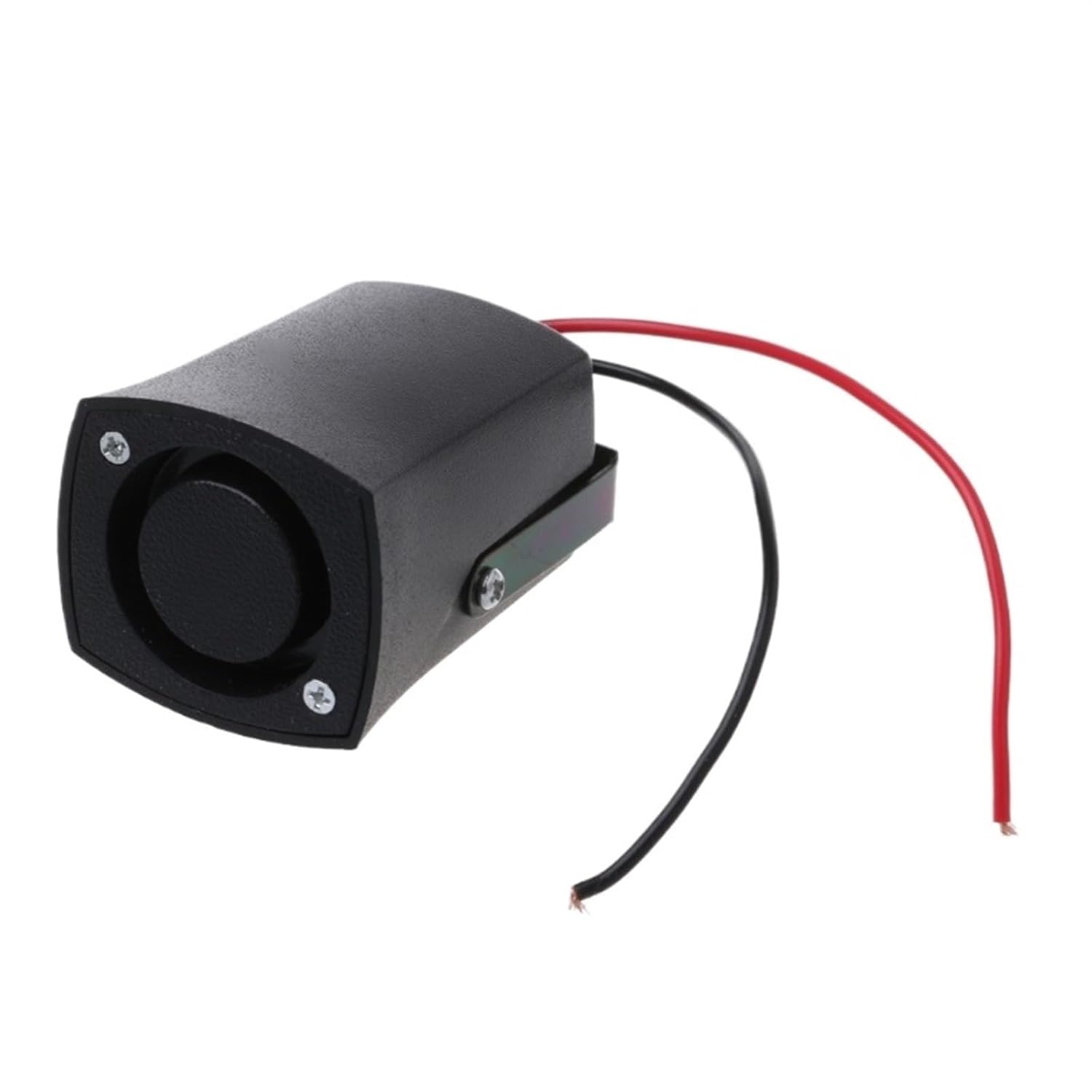
Warning Buzzer & Chime



Customers who viewed this product also viewed
Cardiovascular




Correction of product information
If you notice any omissions or errors in the product information on this page, please use the correction request form below.
Correction Request Form